A generalist marketplace works well when:
The item is standard
The price is simple
No technical expertise is required
In padel and tennis, that’s not the case.
A racket is not just “used”.
It is:
Shape
Weight
Balance
Playing level
Structural condition
Expertise is required.
Sport is community
In padel:
People know each other at clubs
They play with friends
They grow together
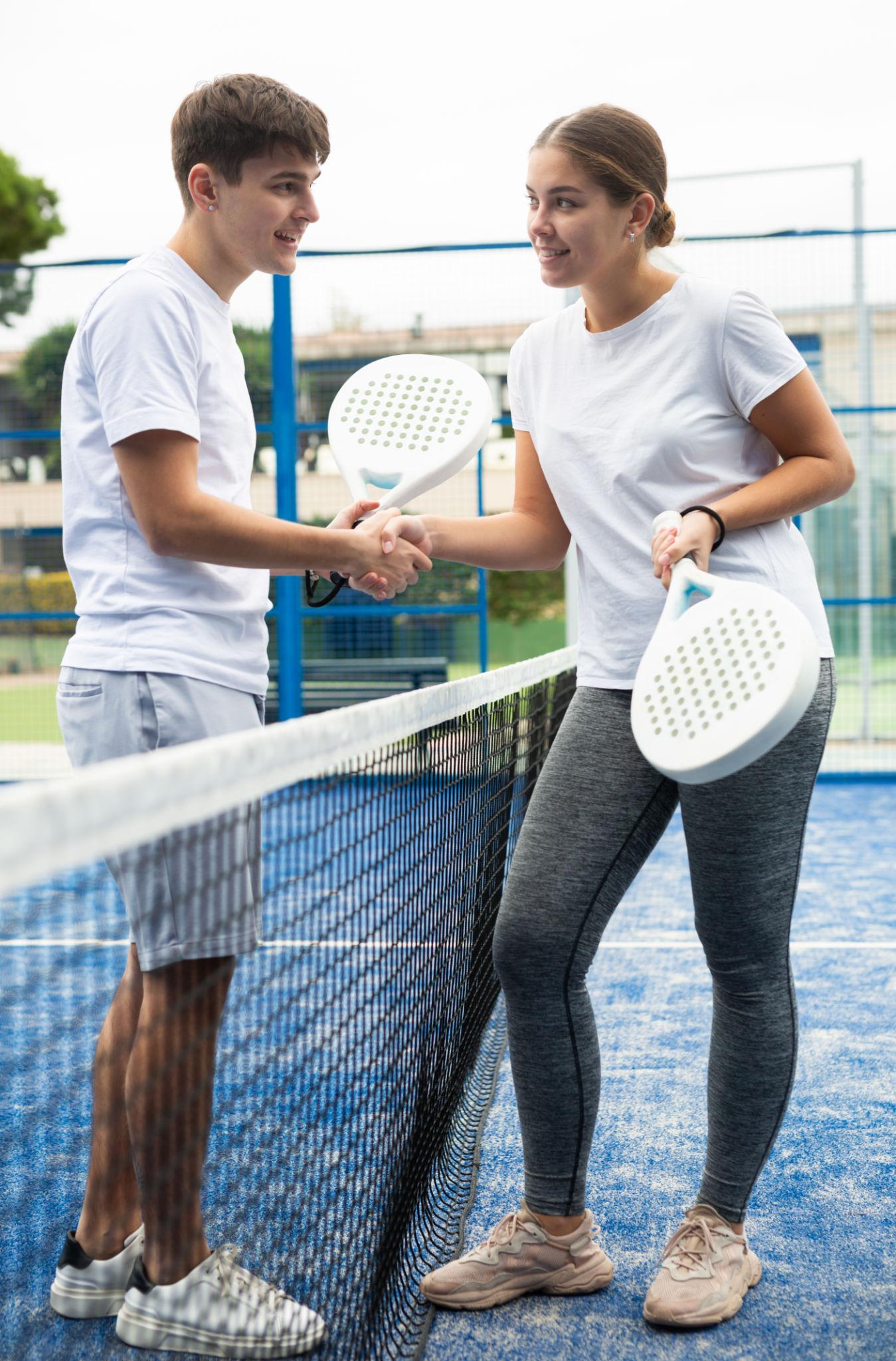
A trade between players is different from a simple sale.
It’s an upgrade, not a disposal.
Vertical marketplaces integrate this dynamic.
High turnover, high specialization
Padel has:
Rapid growth
High equipment turnover
Strong desire to upgrade
This creates an active secondary market.
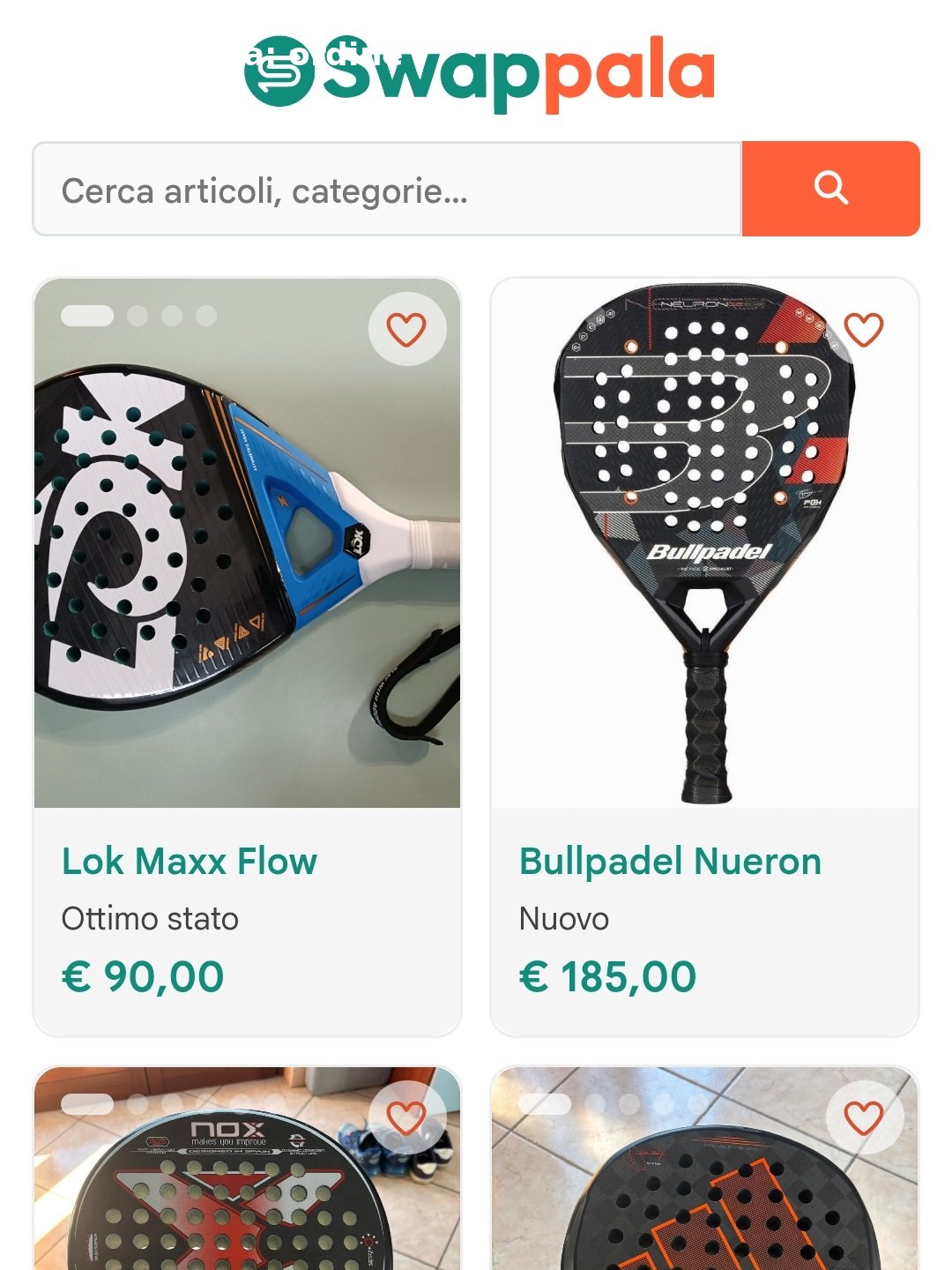
A vertical marketplace can offer:
Dedicated features (such as trade-in with price adjustment)
Advanced technical filters
Specialized community
The future is in the ecosystem
Sports marketplaces will evolve towards:
Integrated wallets
Shipping management
Payment guarantees
Internal communities
Not just listings.
But infrastructure.
Why the vertical model is inevitable
The same path has happened in other sectors:
Cars → dedicated marketplaces
Real estate → specialized portals
Jobs → vertical platforms
Sport will follow the same road.
Padel is the perfect candidate:
Young
Digital
Dynamic
🔁 The marketplace of the future is not generic
It is built around a passion.
Around a community.
Around real needs.
In padel, this means being able to sell, buy, and trade intelligently and safely.
👉 If you have a racket you no longer use, the future is not leaving it in the closet.
It’s putting it back into play.