The sport that changed the way people spend time together
In recent years, padel has become the most talked-about sports phenomenon in Europe. The numbers speak for themselves — millions of players, thousands of new courts opening every year, waiting lists at clubs from north to south. But the real reason padel keeps growing is simpler and deeper at the same time: padel is a sport that builds connections.
Anyone who has tried it — even just out of curiosity — knows exactly what we mean. After the first match, you don't just go home. You already agree on the next session. You add your playing partner on WhatsApp. You start watching tutorial videos. Padel enters your routine almost naturally, because it meets a genuine need: being with others while doing something physical, fun, and accessible to everyone.
Why padel is perfect for people who don't consider themselves athletic
One of the main reasons padel resonates so strongly with beginners is that it doesn't require years of training to be enjoyable. Unlike tennis — with which it's often compared — padel is quick to learn, thanks to a few key structural features:
The court is enclosed by glass and metal walls: the ball stays in play longer, rallies last longer, and the fun starts immediately
The padel racket is solid with no strings: easier to control, even for those who have never played a racket sport
It's always played in doubles: four players on court, no one alone, no excessive pressure on individual performance
Padel rules are simple: explained in minutes, absorbed by playing
All of this makes padel a sport for everyone: men and women, young and old, athletes and complete beginners. It's no coincidence that padel clubs report some of the highest retention rates of any sport. Those who try it, stay.
Padel and socialising: a combination that genuinely works
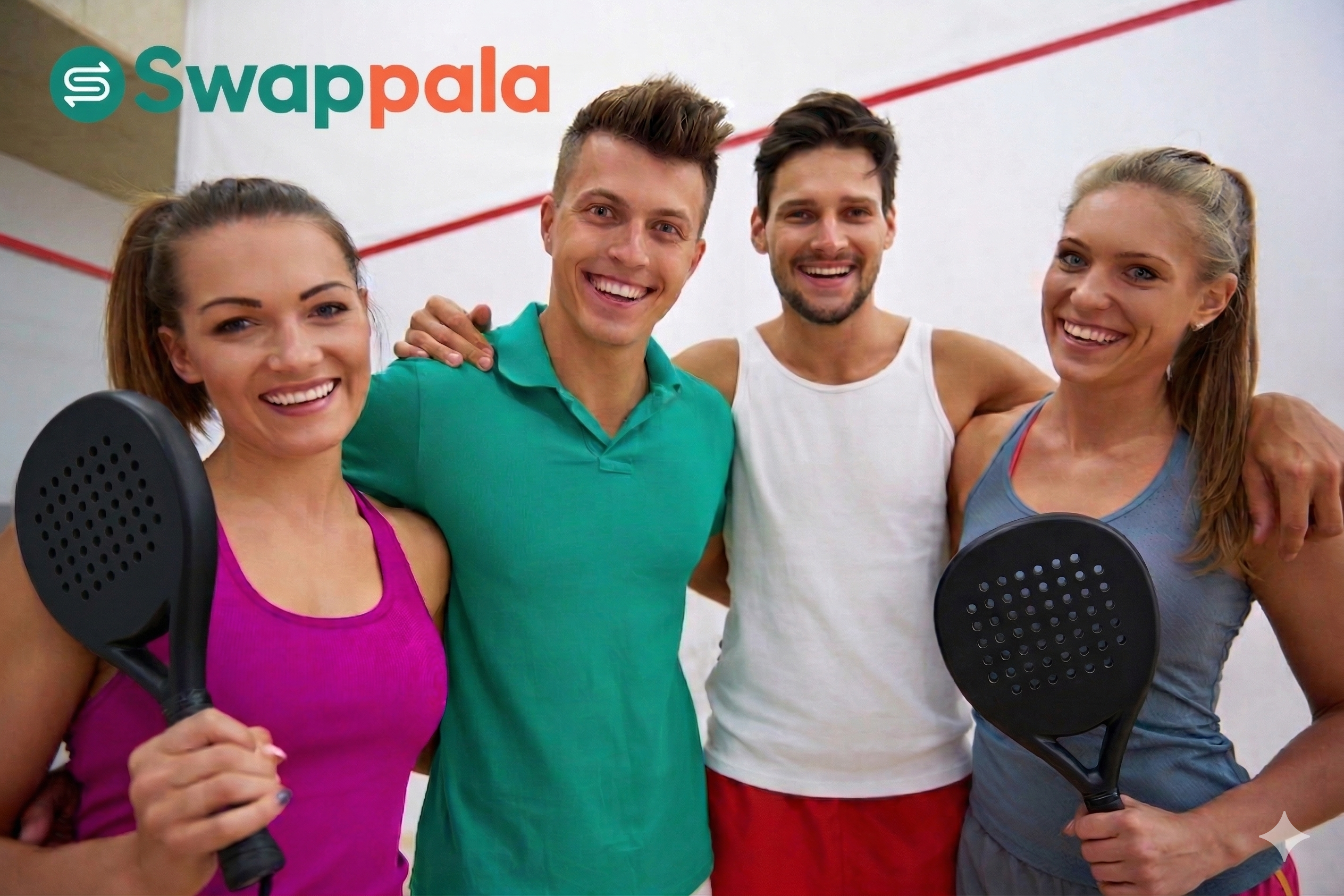
Padel is called a social sport not for marketing reasons, but because of how it's fundamentally structured. You play in fours, you rely on your partner, you face another couple across the net. Every match is a small story made of communication, chemistry, and shared strategy.
In padel clubs across Italy and beyond, friendships are formed that go far beyond the court. Amateur padel tournaments, local leagues, and open evenings are moments of genuine connection. Some players have found business partners on the court, others have built professional networks, others have simply rediscovered the pleasure of getting out of the house regularly.
Corporate padel has become an established format: many companies use it for team building or as part of their corporate wellness programmes, precisely because doubles play develops listening, trust, and the ability to handle mistakes together — skills that translate directly to the workplace.
The benefits of padel: body and mind
Playing padel isn't just about socialising. It's a genuine workout. A one-hour session can burn between 400 and 700 calories depending on intensity. The main physical benefits of padel include:
Improved cardiovascular endurance thanks to constant changes of pace
Stronger legs and core through the stops, explosive restarts, and lateral movements the game demands
Better hand-eye coordination and sharper reflexes
Stress reduction — the concentration required during a match effectively switches off background thoughts
For anyone looking for a complete but sustainable sport, padel is one of the best options: it challenges without exhausting, trains without boring.
Where to play padel: clubs, resorts, and urban spaces
The number of padel courts has grown exponentially across Europe. You'll find them in traditional sports centres, inside hotels and resorts, in converted commercial spaces, in city neighbourhoods and smaller towns alike.
Indoor padel courts allow year-round play regardless of weather. Outdoor courts or those with retractable roofs offer a more open experience, particularly appreciated in milder seasons. This variety has helped make padel accessible even to those who live far from major urban centres.
Padel: a passion that shows no signs of slowing down
Whether you already have a padel racket in your hand or you're still watching from the sidelines, one thing is clear: padel is not a passing trend. It has found a permanent place in European sports culture because it responds to something genuine.
The need to move. The need to compete in a healthy way. The need to be with others.
If you haven't tried it yet, there's only one way to truly understand why padel has everyone talking: book a court and get out there.