1️⃣ Frame condition
Carefully check:
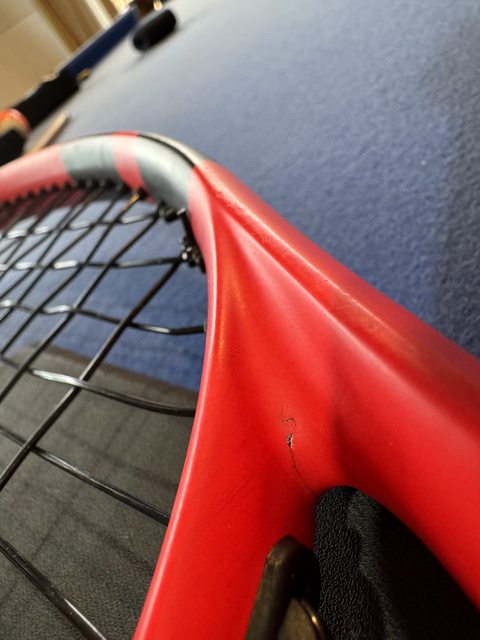
Micro cracks near the holes
Deep impact marks
Structural dents
Surface marks are normal.
Structural damage significantly reduces value.
Basic rule:
No cracks → almost full value
Micro cracks → -20% / -30%
Visible damage → -40% or more
2️⃣ Actual hours of use
Be honest.
A racket used:
Once a week
3 times a week
Intensive tournaments
Is not the same thing.
In padel, after 12–18 months of regular use, performance loss is natural.
3️⃣ Model year
The padel market moves very fast.
A model:
Released this year → retains value
From 2 seasons ago → natural depreciation
Over 3 years old → strongly reduced value
Technology evolves quickly and this affects perceived price.
4️⃣ Brand and positioning
Top-of-the-range rackets retain value better than entry-level ones.
A premium model:
Holds market value
Is more in demand
Is easier to trade
5️⃣ Realistic reference price
Don’t base it on how much you paid.
Base it on:
Current online price
Actual condition
Market demand
The value is what someone is willing to recognize today.
6️⃣ Proper photos (essential)
For an effective trade you need:
Front photo
Back photo
Edge detail
Detail of any marks
Natural light.
Neutral background.
No filters.
Transparency = more trust = faster trade.
7️⃣ How to propose a smart trade
Correct example:
“My racket is worth about €220.
I’m looking for a similar or higher model.
Open to adjusting the price difference.”
Wrong example:
“Trade with anything.”
Precision = credibility.
🔁 Want to propose a trade?
A clear valuation speeds everything up.
On Swappala you can propose a trade with price adjustment in an organized way, without chaos and endless negotiations.
👉 Evaluate your racket carefully and put it back into play.
FAQ
How do I calculate the price difference in a trade?
Start from the estimated value of both rackets and adjust the difference between the parties.
Is it worth overpricing to negotiate?
No. It only slows down the process and reduces credibility.